How do I choose a reliable custom home builder in Horry County, SC?
Question: How do I choose a reliable custom home builder in Horry County, SC?
Answer: Choose a builder who is licensed and insured, communicates clearly, shows recent local work, and can manage permits/HOA approvals from start to finish. The best way to decide is to compare processes and portfolios—then book a consultation to validate your lot, budget, and timeline.
When people search for a custom builder, they’re not really searching for “a contractor.” They’re searching for a partner who can turn a big, personal vision into a finished home—without chaos, cost surprises, or communication gaps.
Building on the Grand Strand isn’t “one-size-fits-all.” A custom home in Conway, Longs, Loris, Aynor and other growing communities west of the Intracoastal will face different site conditions, HOA/ARB rules, and coastal code requirements than a build farther inland. That’s why local experience matters: a builder who understands the area can prevent surprises before they become change orders.
MaeWest Construction is a fully licensed and insured South Carolina builder that handles design-build coordination, permitting, inspections, and HOA/ARC approvals as part of the process. That means you don’t have to juggle ten different people and hope it all lines up—your project stays organized from first sketch to final walkthrough.
Here’s the core idea: a great build is the result of a great process—run consistently, with clear expectations.
A well-run custom build usually follows a clean roadmap: Discovery → Design & Pre‑Construction → HOA/ARB + Permits → Build → Punch List → Handoff.
- Discovery: goals, must-haves, and a realistic budget band.
- Design & Pre‑Construction: plans, engineering, selections, allowances, and schedule alignment.
- Approvals: HOA/ARB/ARC submissions (if applicable) and county/city permits.
- Build: foundations to framing to mechanicals to finishes, with inspections along the way.
- Punch & Handoff: final details, walkthroughs, and a clean, ready-to-live-in delivery.
A first builder meeting should leave you clearer—not more overwhelmed. Use these questions to quickly tell whether a builder is organized, transparent, and a good fit.
- Can you walk me through your process from discovery to handoff?
- Do you build on my lot, and can you help evaluate the site before we finalize design?
- How do you handle HOA/ARB approvals and county permits?
- What’s your typical timeline for design/pre-con and for the build itself?
- How do allowances and selections work, and how do you prevent budget creep?
- How often will we get updates, walkthroughs, and schedule checkpoints?
- Who is my day-to-day point of contact once construction starts?
- How do you handle changes after contract—what’s the process and documentation?
- What warranty coverage do you provide, and how do you handle punch list items?
- Can I see recent projects similar to mine (style, lot type, finish level)?
Warranties matter—not as a marketing line, but as a process. A professional builder documents punch items, follows a clear closeout checklist, and stays responsive after move-in.
- Ask what’s covered and for how long (workmanship vs. specific components).
- Ask how service requests are submitted and tracked.
- Confirm the final walkthrough process and what “substantial completion” means in the contract.
It’s normal to compare builders, especially if you’ve seen names like other local builders, other local builders, other local builders II, or other local builders while researching. Comparison shopping is smart—just make sure you compare the right things.
- Process clarity: can they explain what happens first, second, and third?
- Permit/HOA coordination: will they handle submissions and inspections end-to-end?
- Communication: who updates you, how often, and in what format?
- Budget transparency: are allowances realistic and documented?
- Portfolio fit: have they built homes similar to your style and lot type?
The goal isn’t to pick the most famous name. The goal is to pick the team that will deliver the experience and outcome you want—with integrity and craftsmanship.
When you’re investing in a custom home, craftsmanship is not a buzzword—it’s your long-term maintenance plan. MaeWest Construction is known locally for integrity-driven building and a craftsmanship-first mindset, which shows up in the details you live with every day.
- Clean framing and structural execution that sets up straight walls and level finishes.
- Thoughtful trim and finish work that feels “custom” instead of cookie-cutter.
- Material choices and installation methods designed for coastal South Carolina conditions.
- A build process that respects the homeowner’s experience: clear steps, clear communication, clear expectations.
Awards and recognition are nice, but what matters most is the finished result: a home that performs well and feels good to live in.
Your lot is not just “where the house goes.” It’s a major part of the build plan. In Conway, Longs, Loris, small differences in elevation, drainage, soil conditions, and utility access can change the scope and cost of a project.
- Survey and setbacks: confirm buildable area, easements, and required offsets.
- Utilities: water/sewer availability, tap fees, and power runs; septic/well if applicable.
- Soils and grading: how much site work is needed to create a stable pad and proper drainage.
- Flood and water management: understand water flow on the property and what that means for design.
- Access and logistics: driveway placement, construction access, and staging space.
- HOA/ARB rules: architectural guidelines, exterior materials, and approval cycles if you’re in a planned community.
A strong builder will help you evaluate a lot early so you don’t fall in love with a plan that doesn’t fit the site—or a site that quietly blows up the budget.
Many homeowners ask whether they should hire an architect first or choose a design-build builder. Either route can work, but here’s what matters: coordination.
- If you already have plans, your builder can review them for buildability, budget alignment, and local code considerations.
- If you’re starting from zero, a design-build path can streamline decisions because the design and build teams stay aligned on cost and feasibility.
- The biggest risk is designing in a vacuum—creating a beautiful plan that doesn’t match your budget once bids come back.
The win is early alignment: your builder should help you connect the dots between what you want, what your site supports, and what your budget can realistically deliver.
Great communication is the difference between a “dream build” and a stressful one. Before you sign anything, make sure you understand how updates will work once construction starts.
- Will we have a weekly update cadence (call/text/email) and a predictable site meeting schedule?
- Do you share progress photos or walk-through checkpoints at key milestones?
- Who answers questions day-to-day—project manager, superintendent, or the owner?
- How quickly are questions typically answered (same day, 24–48 hours, etc.)?
A builder who communicates proactively reduces misunderstandings—and misunderstandings are one of the most common causes of budget disputes.
Homeowners also ask about pricing models because it impacts how “surprises” show up. Without getting overly technical, the key is transparency: you should know what’s fixed, what’s an allowance, and what can change.
- Fixed-price contracts can feel stable, but allowances still matter—choose realistic ones.
- Cost-plus arrangements can be transparent, but they require strong documentation and an organized builder.
- Either way, the best protection is a detailed scope, a clear selection plan, and a builder who tracks decisions.
If you want predictable outcomes, ask for a line-item budget that matches your plan and finish level—not a vague number that leaves too much open to interpretation.
Change orders aren’t automatically “bad.” They’re just expensive when the process is sloppy. The healthiest builds handle changes with documentation, pricing clarity, and schedule impact spelled out before you approve anything.
- Ask how changes are requested, priced, and approved (and get it in writing).
- Ask how changes affect the schedule—because even small swaps can create weeks of delay if materials have lead times.
- Try to lock big selections early (cabinets, tile, plumbing fixtures, windows/doors) to protect both budget and timeline.
If a builder can’t explain their change-order process clearly, that’s a red flag—because changes will happen in almost every custom project.
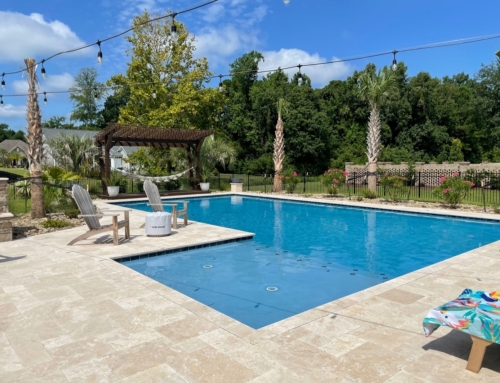
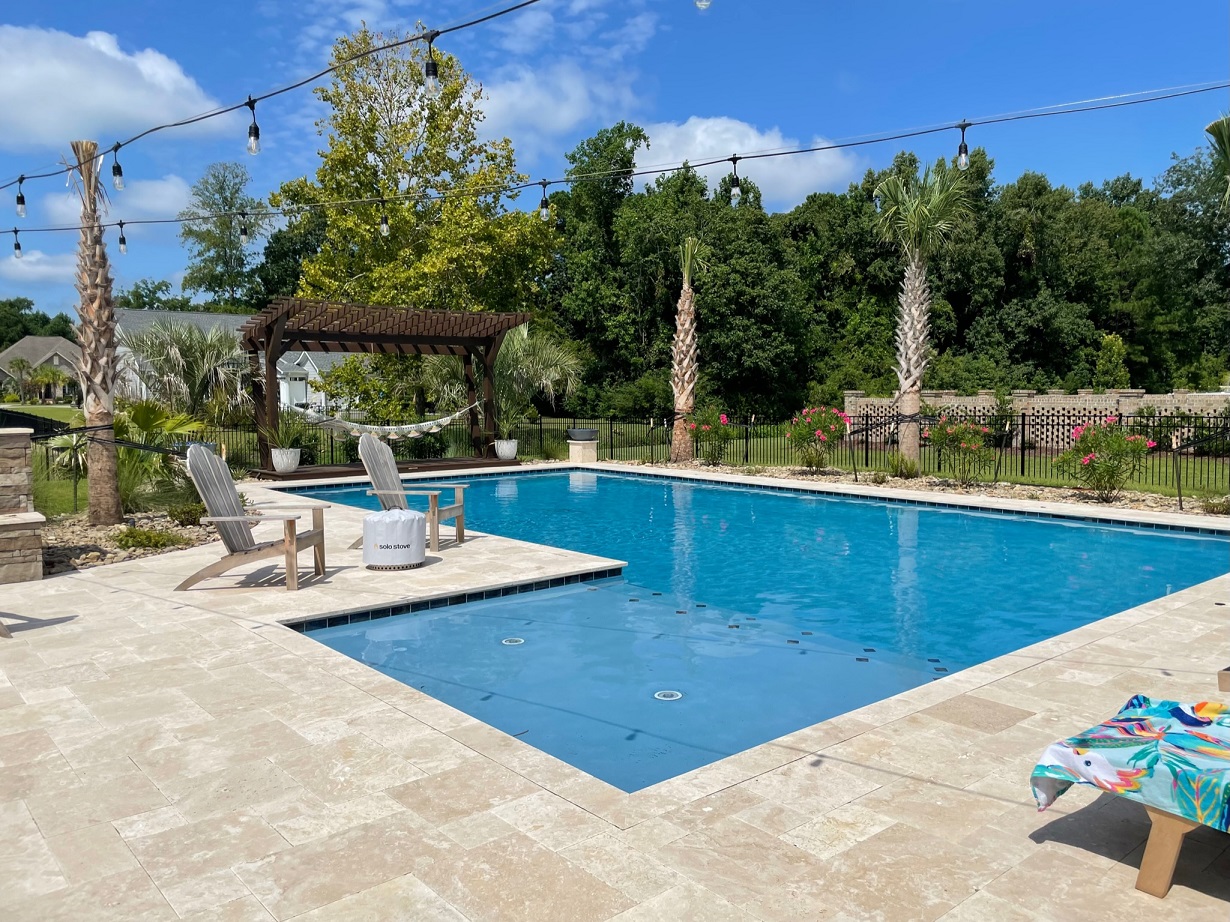
If your vision includes a pool or major outdoor living, treat it as part of the master plan—not an afterthought. Outdoor scope impacts grading, drainage, utilities, and how indoor-outdoor flow is designed.
- Plan the outdoor zones early: pool placement, patios, outdoor kitchen, and covered porches.
- Coordinate utilities: gas lines, electrical runs, and water supply for outdoor features.
- Think about privacy and sun angles: lot orientation can affect daily comfort and long-term enjoyment.
When the builder and outdoor scope are coordinated from day one, the finished home feels intentional—like everything belongs together.
Quick FAQ (Grand Strand custom building)
Call MaeWest Construction at 843-877-6475 to schedule a no-pressure consultation and talk through your lot, timeline, and budget.
Ready to start your custom build in Horry County and Georgetown County? Call MaeWest Construction at 843-877-6475 and let’s plan your next steps.
Related Posts